
In Godspell, the inclusion of a Wailing Wall serves as a symbolic anchor that connects the musical’s playful modern world with ancient spirit. A lot of its cultural roots derive from Jesus’ teachings. The Western Wall in Jerusalem is a remnant of the Second Temple that survived destruction and became a physical embodiment of communal grief, longing, and resilience. Many of the prayer practices are pressed into its stones.
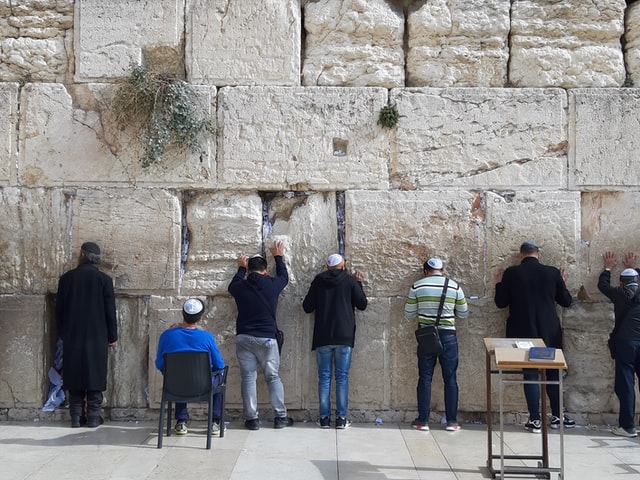
Jesus was placed within his Jewish heritage rather than presenting him as an abstract or decontextualized spiritual figure. The Wall simultaneously becomes a metaphor for the community being built onstage: just as the Wall stands stone by stone. Beautiful City and The Finale song actually emphasizes the symbolic meaning of bonding as a community, for example “brick by brick, heart by heart…..we start learning how we can build a beautiful city.” As a cast, we held together the hopes, sorrows, teachings of parables, games, and songs. We’ve built our own sacred community out of chaos through shared learning. As the musical’s tone shifts from clowning to the emotional gravity of hope, the Wall’s long-standing and collective mourning deepens the weight of the moment.
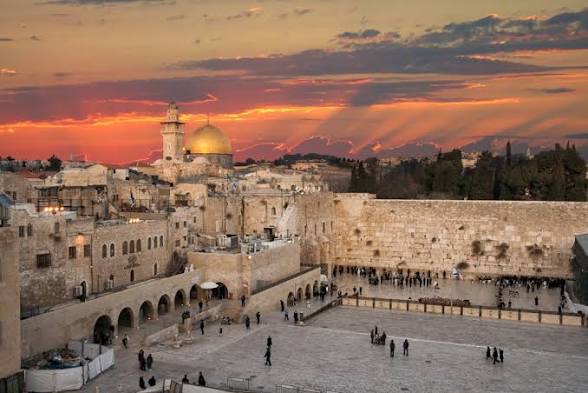
Tebelak placed the presence of the Wailing Wall later into the show to signify that death is approaching. If it was placed earlier in the play, it would have come off as “too abrupt” or as theatre people say “playing the ending before the show starts.” Although we (performers) know what the ending of the play looks and feels like, it’s important that we do not play that action until the very end;otherwise the play would feel flat or static. People can emerge in everyday places and the holiness of the wall is something a community actively builds together. Ultimately, the Wall in Godspell acts as a bridge across time and tradition that links Jewish history to modern theatrical storytelling. It connects the disciples’ immediate emotional journey to a broader moment of seeking meaning. This becomes clear to the musical’s final moments of Jesus’ crucifixion followed by his resurrection.